

Diagnosing ADHD - What You Need to Know
ADHD may be a cause of your symptoms. You can be diagnosed of ADHD in the UK and these signs can be controlled with the help you need.
adult adhd diagnosis is diagnosed by psychiatrists who assess the symptoms of a person, and how they affect their daily lives. They also consider the history of the patient's parents and environment. They can ask questions to the patient or their caregivers as well as teachers, and fill out questionnaires. The doctor may also prescribe medication to help reduce the symptom intensity and frequency.
The process of being diagnosed and treated for adhd uk can take some time, but it's important to seek help. Your doctor will give you details on the various treatment options available and how long it can take to get an diagnosis.
Your GP can recommend an assessment for diagnostic purposes. You can request an assessment as part of the Right to Choose Legislation. Patients are entitled to decide where their treatment is offered, including whether they see a psychiatrist.
To diagnose adhd in the UK, it is necessary to obtain a full medical and psychiatric history from the patient and their family. It usually involves an interview face-to-face with the patient to obtain a full picture of their mental health. It is crucial to have an open dialogue with the patient and their family members to determine the extent to which their symptoms affect them.
It is not uncommon for people with ADHD to have other issues as well. They could have anxiety, depression or sleep problems. They could also be more likely to have conduct disorder (showing aggressive or antisocial behaviour) or substance abuse.
Once a diagnosis has been made it is possible to begin treating the symptoms using medication that is designed specifically for the specific condition. This could include stimulants such as amphetamine or methylphenidate that can improve hyperactivity and impulsiveness. the ant-depressants atomoxetine and certain others, which can improve concentration and mood.
Psychotherapy in addition to medication, may be used in addition to medication. It could be a combination of in the form of group or individual therapy. It is usually beneficial for patients with difficulty focusing and concentrating. It also incorporates cognitive behavioural therapy which teaches people to alter their behavior.
As the most experienced medical field psychiatrists are able to treat all types of mental disorders. They are also knowledgeable of the mechanism of action and pharmacokinetics the various drugs they prescribe. They can also offer advice on the most effective combination of drugs to address a specific issue. They are expected to continue their education with regular scholarships and study.
Psychologists
Psychologists employ a variety of methods to examine human behavior and mental processes. They are trained in research and clinical work. They can be working with individuals or as part of a team comprised of social workers, doctors and others. Psychologists can diagnose and treat mental disorders and provide counseling and psychotherapy.
ADHD is a mental illness that can affect anyone of any age and can be extremely difficult to diagnose. The symptoms may include difficulties paying attention, impulsivity and hyperactivity, among others.
This condition could cause serious problems in the lives of people. It is important that you receive an diagnosis. It can cause problems at school and at work along with other areas of life.
There aren't any tests that can be used to determine if an individual suffers from ADHD or not, but an organized clinical assessment conducted by a skilled psychiatrist can assist in establishing an accurate diagnosis. The assessment will involve an examination of the patient's behavior as well as an assessment of the frequency of their symptoms.
Following the evaluation the doctor will then create a diagnosis that outlines the client's ADHD symptoms and explains how they affect their daily life. The doctor will also search for other possible causes of these symptoms, such as depression or anxiety.
The psychiatrist must be aware of the client's medical history and personal history and also their psychiatric history, from childhood until now. They will request information regarding how the client's symptoms affect their daily life which includes their work and family situations.
The doctor will also inquire about any other health concerns like thyroid disease or depression. These are important as they could be related to ADHD and could make it even more difficult to determine the cause of the disorder.
If the psychiatrist is not able or unwilling to pinpoint the cause of the client's symptoms, they can refer the client to a specialist in ADHD neurobehavioural therapy. Referrals can be made by a mental health team, or by the client's physician.
After the diagnosis has been determined, the psychiatrist will create an treatment plan. This could include medication or talk therapy.
Support Groups
There are a variety of support groups available for adults suffering from ADHD. A majority of these support groups are offered for free and provide a safe environment to share your feelings or concerns, as well as successes. Some are offered through national organizations and local hospitals.
Many people with ADHD are mistakenly diagnosed as having depression or anxiety. People can live happier lives by being diagnosed correctly.
First, consult a specialist in attention-deficit hyperactivity disorder (ADHD) to determine if you suffer from adhd in the UK. The doctor will look at factors such as mood, medication history, and any other mental conditions.
If ADHD is suspected, a physician could prescribe stimulants to treat the disorder. Stimulants can balance neurotransmitters and decrease stress. However, they do not fix the issue and should be utilized in conjunction with other therapies.
Psychotherapy is another effective method of treatment for ADHD. It can help patients learn to manage their emotions, improve their relationships, and improve their daily functioning. It can also help patients learn how to manage stress and other life events that can cause ADHD-like behavior.
It's important to keep in mind that not all mental health professionals specialize in treating ADHD, so it's a good idea to search for a therapist with prior experience treating this condition. Ask your doctor to refer you to one near you or search online for one.
adult adhd diagnosis uk of medication and therapy may be beneficial based on the degree of ADHD. Medicine can help balance levels of neurotransmitters, reduce stress and increase energy. It can also help reduce reckless and impulsive behavior.
Therapy can be used to assist ADHD sufferers as well as those who take medication. This includes teaching them how to prioritize tasks and plan ahead. They will also learn how to manage their time and learn how to effectively use their time.
Two national ADD advocacy and support organizations in the United States, CHADD and Attention Deficit Disorder Association sponsor regional networking events as well as educational events. Parents of ADHD children typically have access to support programs and networking opportunities at local schools.
Medication
The use of medications is to treat ADHD in adults, children and adolescents. adhd diagnosis private can help focus attention, manage impulses and reduce impulsive behaviour. Based on the medication the patient is taking, they can be used for up to six months.
There are many types of ADHD medications. Each one comes with its own advantages and side effects. Doctors may opt to conduct a trial to determine the most appropriate medication for each patient. The trial typically starts with a low dose and is gradually increased over time until clinical benefits are realized.
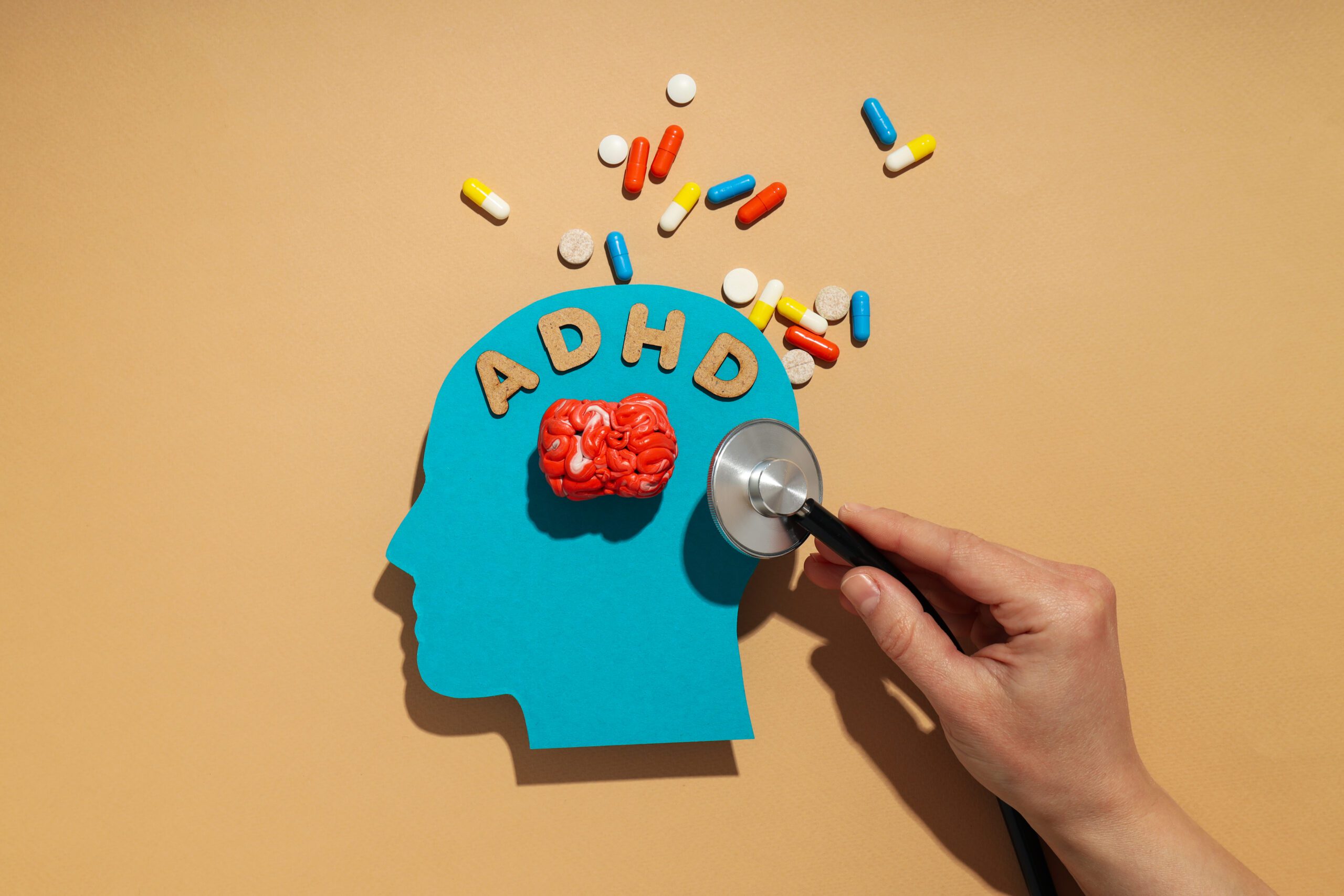
Methylphenidate, also known as Metadate or Focalin, is the most frequently prescribed medication for ADHD. It is a psychostimulant. This means that it can make you more alert and focused by stimulating certain brain areas. It is available as a pill or in tablet form and is usually taken twice a day.
Lisdexamfetamine is a similar drug, stimulates certain brain areas. It improves concentration and reduces the impulsive behavior. If methylphenidate doesn't work it is usually given to children aged 5 and older.
Atomoxetine (SNRI) is a selective noradrenaline-reuptake inhibitor (SNRI). This means that it raises the brain's noradrenaline level. It aids in concentration and is more effective in older people. It is most commonly used by adults, but it could be given to children who are over 5 years of age.
Non-stimulant medicines like clonidine or guanfacine are sometimes recommended for children with ADHD because they are less likely to cause side effects. These medicines can take a few weeks before they begin to work and may cause blood pressure problems.
The AAP suggests that ADHD patients try different medications and dosages before making a decision on the best treatment. This will aid the healthcare team and the patient with ADHD determine the best combination of medicines to gain the maximum benefit while avoiding the most adverse side adverse effects.
Cognitive therapy for behavioural problems (CBT) and psychotherapy can be beneficial for those suffering from ADHD. A therapist would discuss with them how their thinking and behaviours are affected by ADHD. They will then learn new ways of thinking and acting.